
Orange Filtration Technology Co., Ltd.
Ultrafiltration is our core.
NSF certification is our proof.
Specialized OEM/ODM manufacturer of hollow fiber ultrafiltration membrane products for home and industrial water treatment.
Certified Membrane
NSF/ANSI 42 certified, 372 tested.
In-House Making
Membrane to module, full control.
OEM/ODM Expert
Flexible MOQ, end-to-end support.
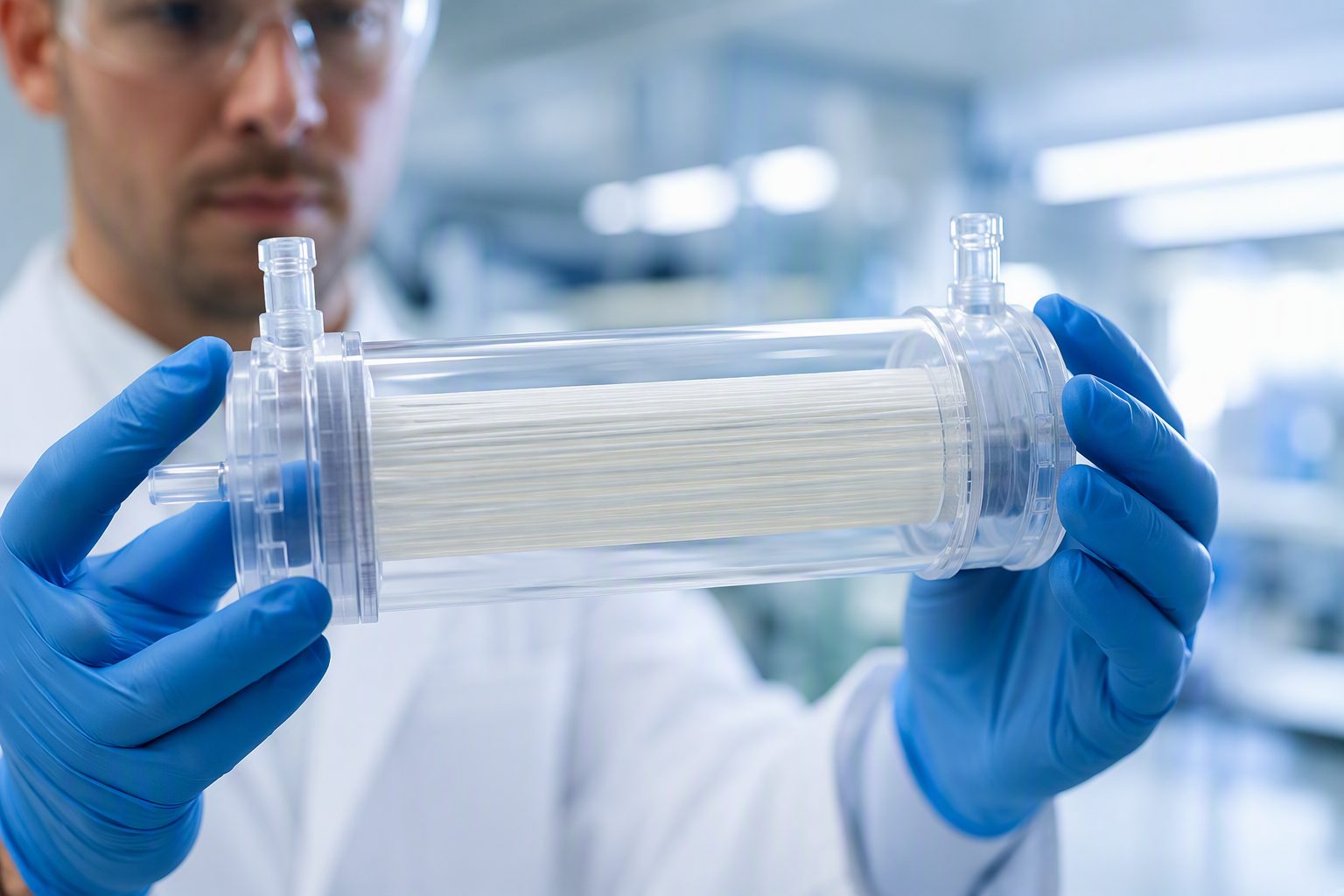
Hollow Fiber UF Membrane Module
Self-developed PES membrane · NSF/ANSI 42 certified
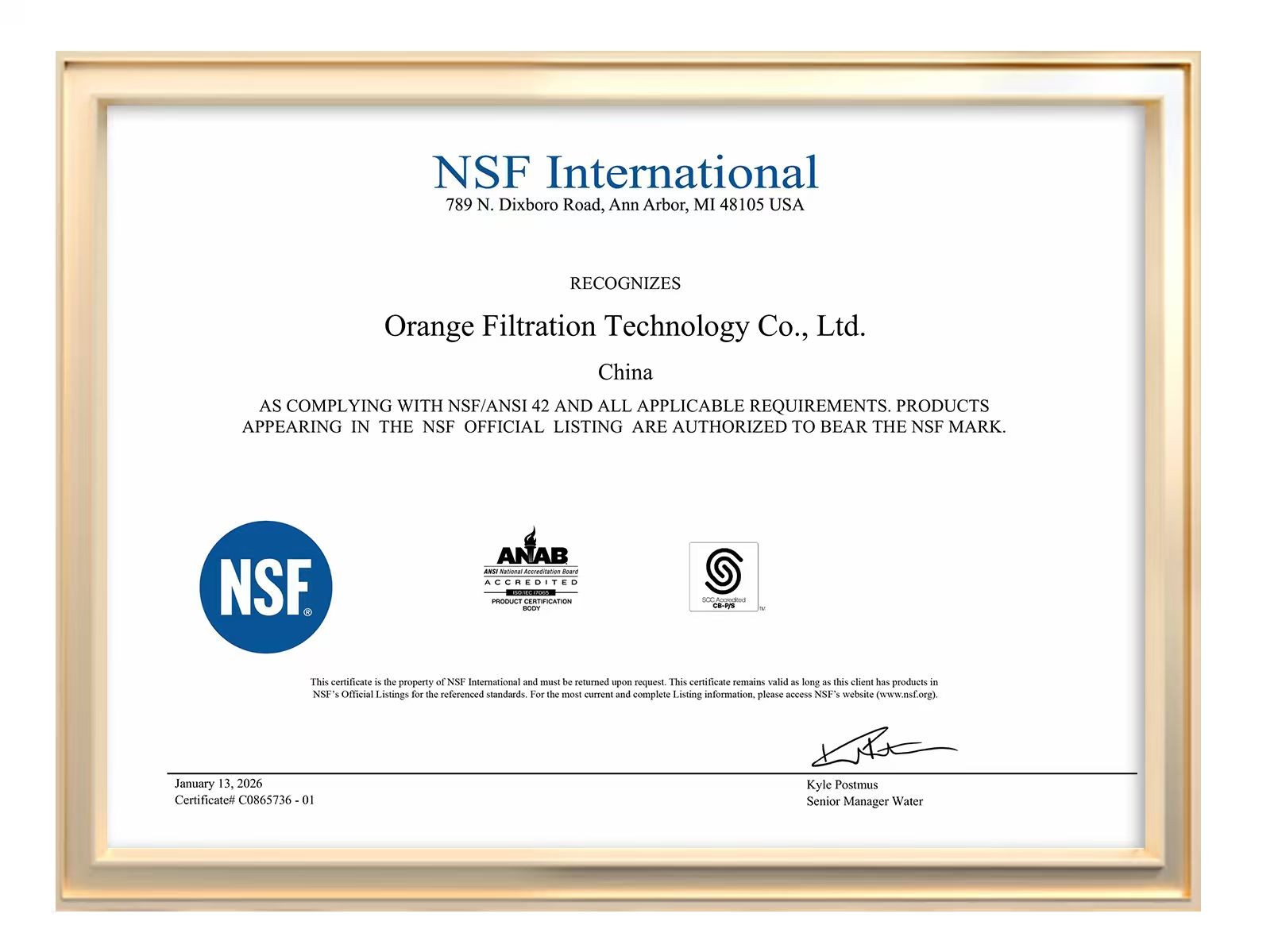
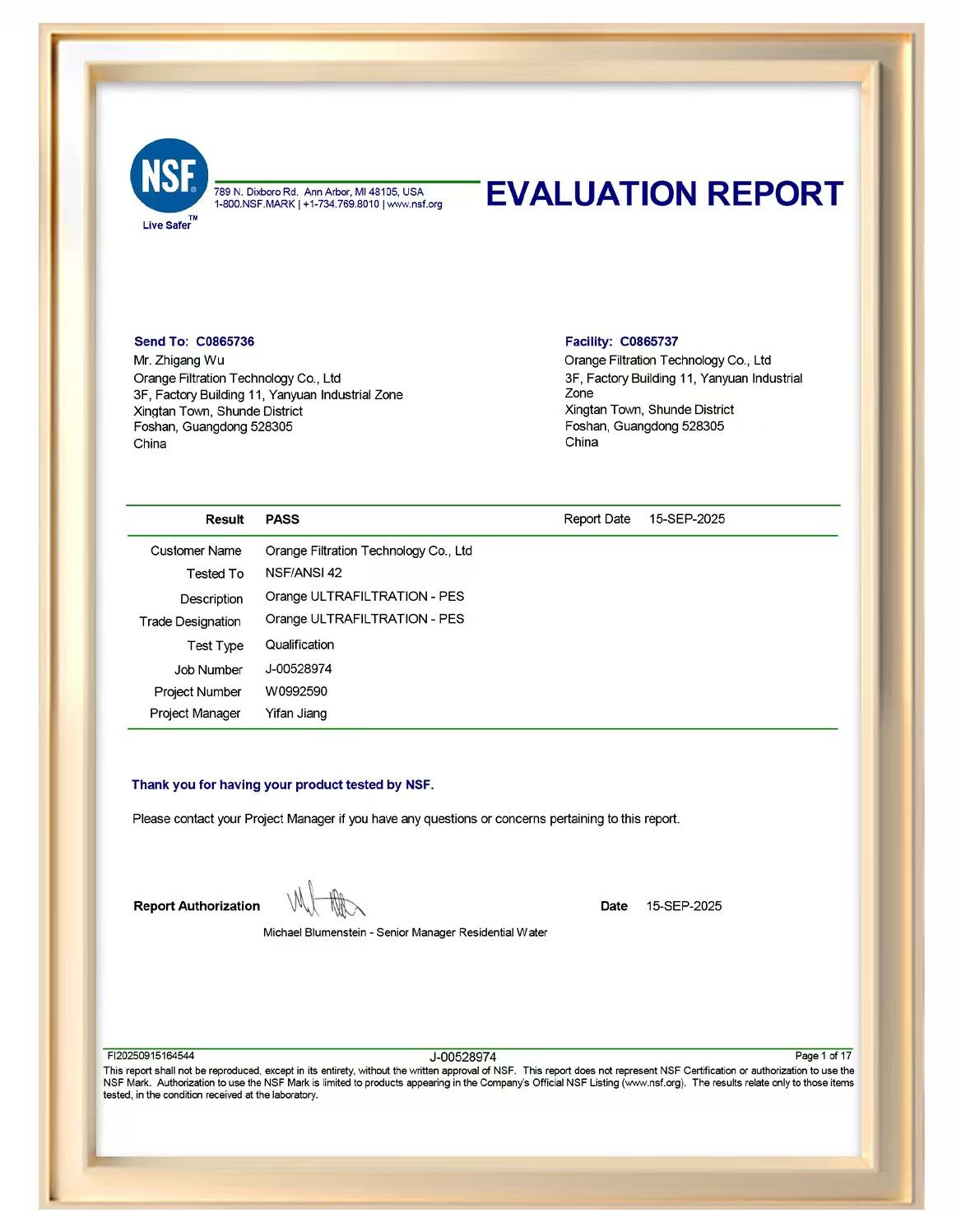
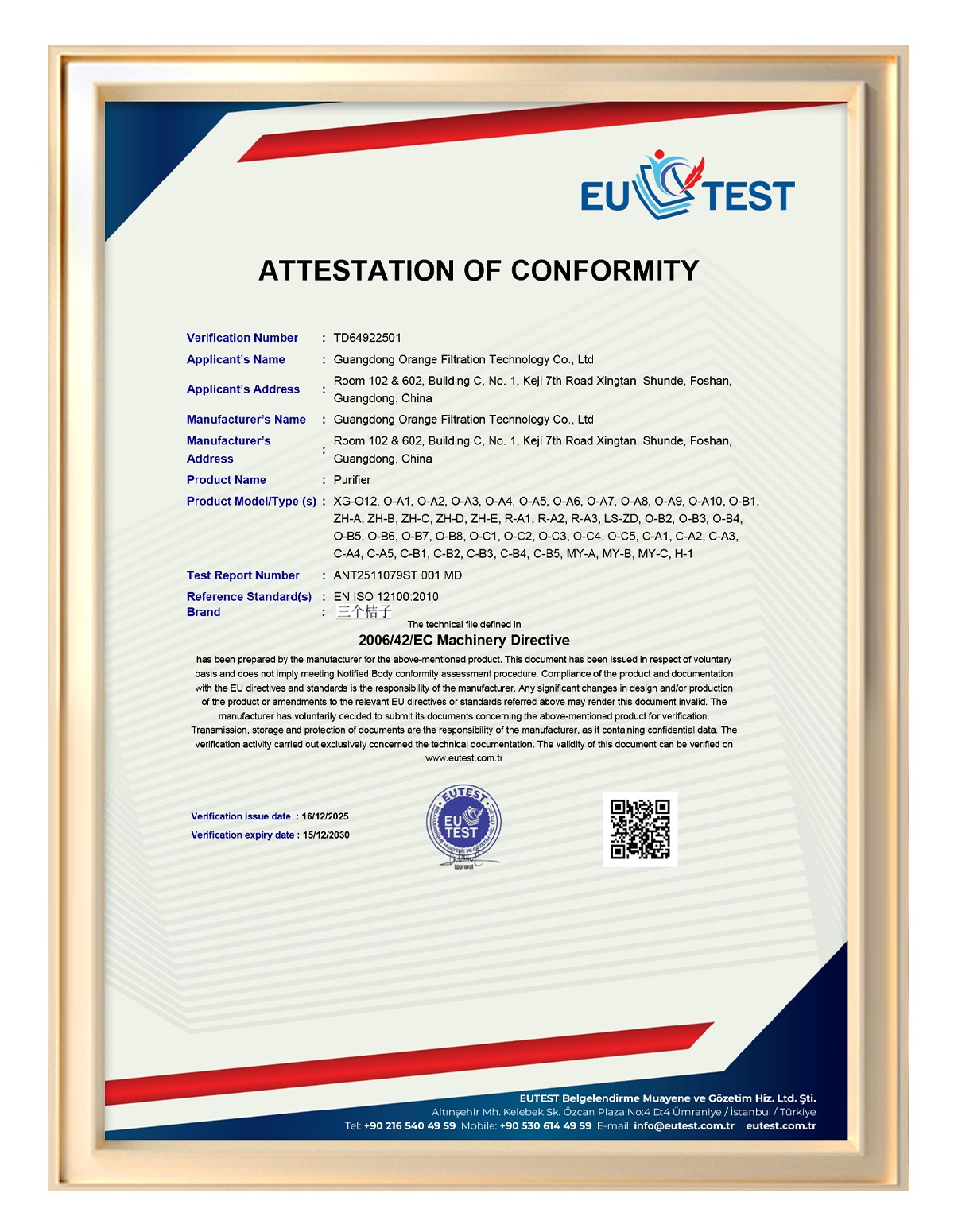 View certificates
Who We Are
广东桔子过滤技术有限公司 · OEM/ODM ultrafiltration membrane manufacturer.
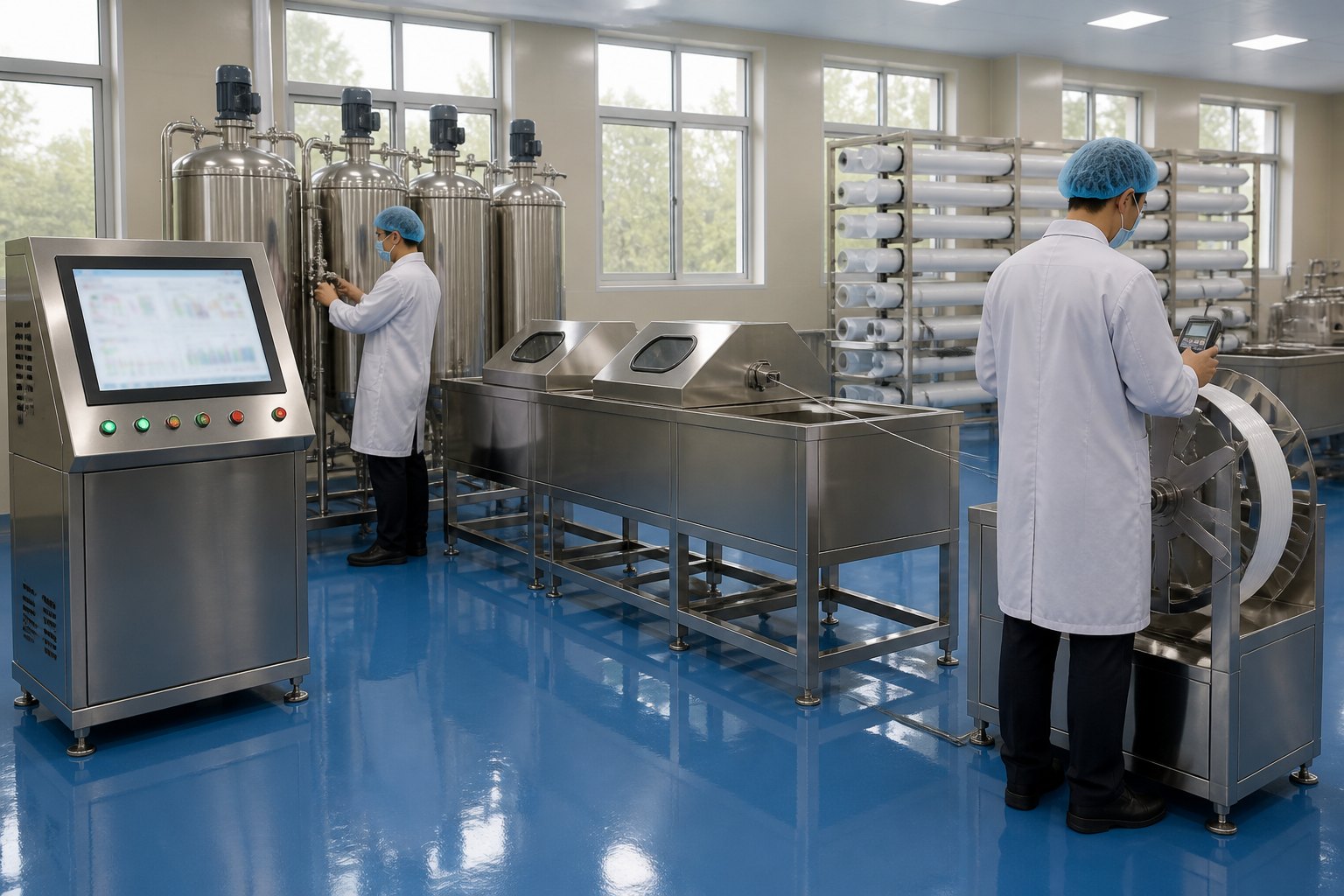
Orange Filtration Technology Co., Ltd. specializes in water filtration, with self-developed ultrafiltration membrane technology as its core advantage. We build a comprehensive product portfolio for diverse scenarios — from residential drinking water to industrial-scale treatment — as an OEM/ODM manufacturer with fully in-house hollow fiber spinning, module assembly and 100% integrity testing.
- Legal entity
- Orange Filtration Technology Co., Ltd.
- Factory
- Xingtan, Shunde — Foshan, Guangdong, China
Why Choose Orange Filtration
Three pillars that set us apart as your ultrafiltration manufacturing partner
Proprietary Membrane Technology
Self-developed hollow fiber membrane with hydrophilic modification. High fouling resistance, 0.01μm absolute filtration — delivering 20-30% lower performance decay and 30%+ longer service life than standard UF membranes.
Learn moreVertical Integration & Quality
In-house membrane production from raw material to finished module. Automated manufacturing lines with 100% online integrity testing ensure batch-to-batch consistency and zero-defect delivery.
Learn moreGlobal OEM/ODM Partnership
Flexible customization for residential, commercial, and industrial applications. Our engineering team provides lifecycle support from product design through after-sales — making us a true partner, not just a supplier.
Learn moreWhere Our Membranes Work
Four duties where 0.01 micron hollow fiber earns its keep - each guide ends with the exact models and specs.
RO Pre-Treatment
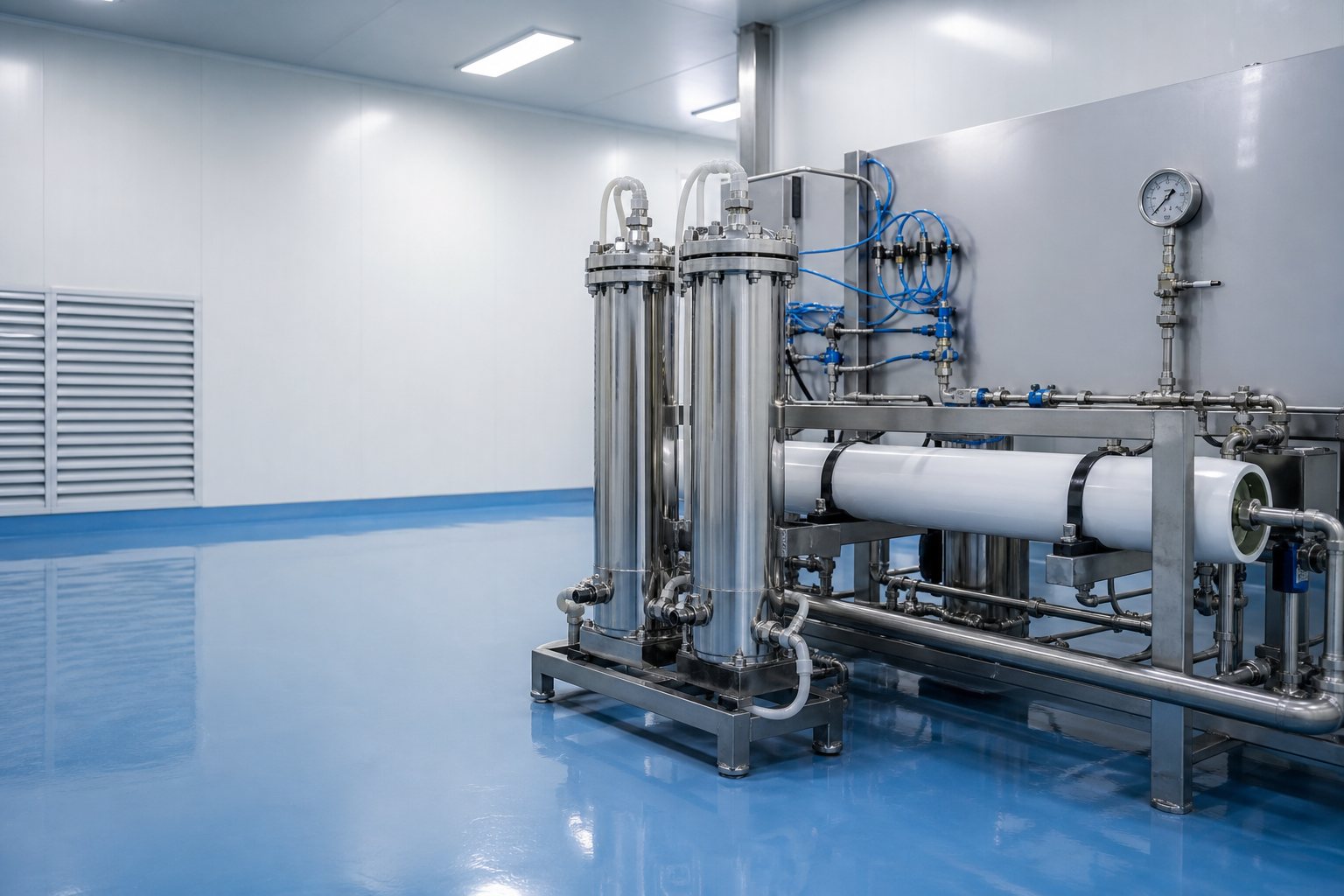
Hollow-fiber ultrafiltration (0.01 micron absolute) installed upstream of reverse osmosis removes colloids, suspended solids and bacteria that cause silt fouling, keeping RO feedwater at a low silt density index (SDI), reducing RO cleaning frequency and extending element life. U.S. Bureau of Reclamation life-cycle analysis of seawater RO plants found membrane pretreatment lowered total water cost 4-8% versus conventional media filtration.
Guide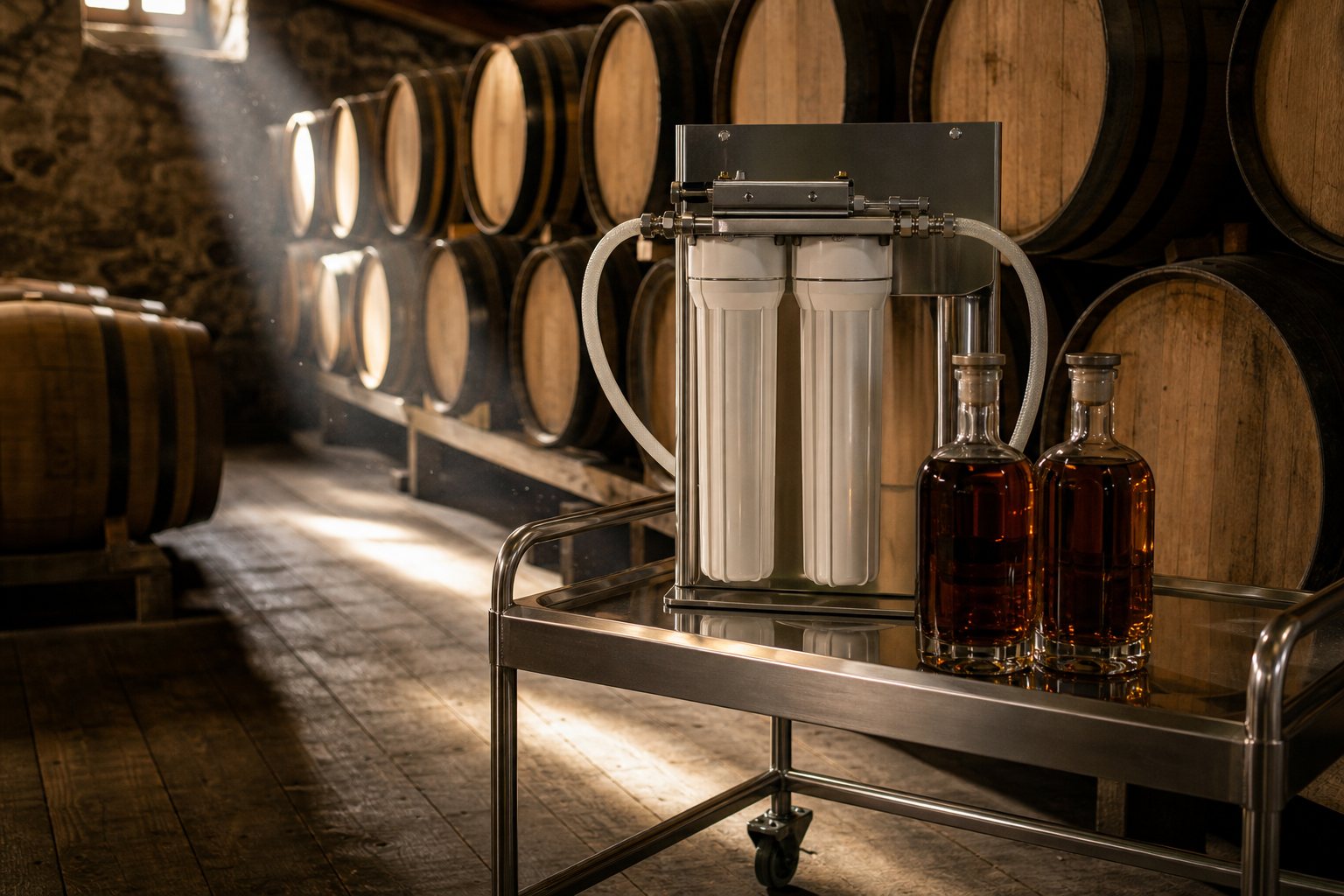
Beverage & Spirits
Distilleries install our NSF-listed 10-inch hollow-fiber UF cartridges into their own filtration housings to polish aged brandy (XO) - improving clarity and mouthfeel without heat. The same 0.01 micron membrane platform serves breweries and bottling lines where cold filtration replaces pasteurization.
Guide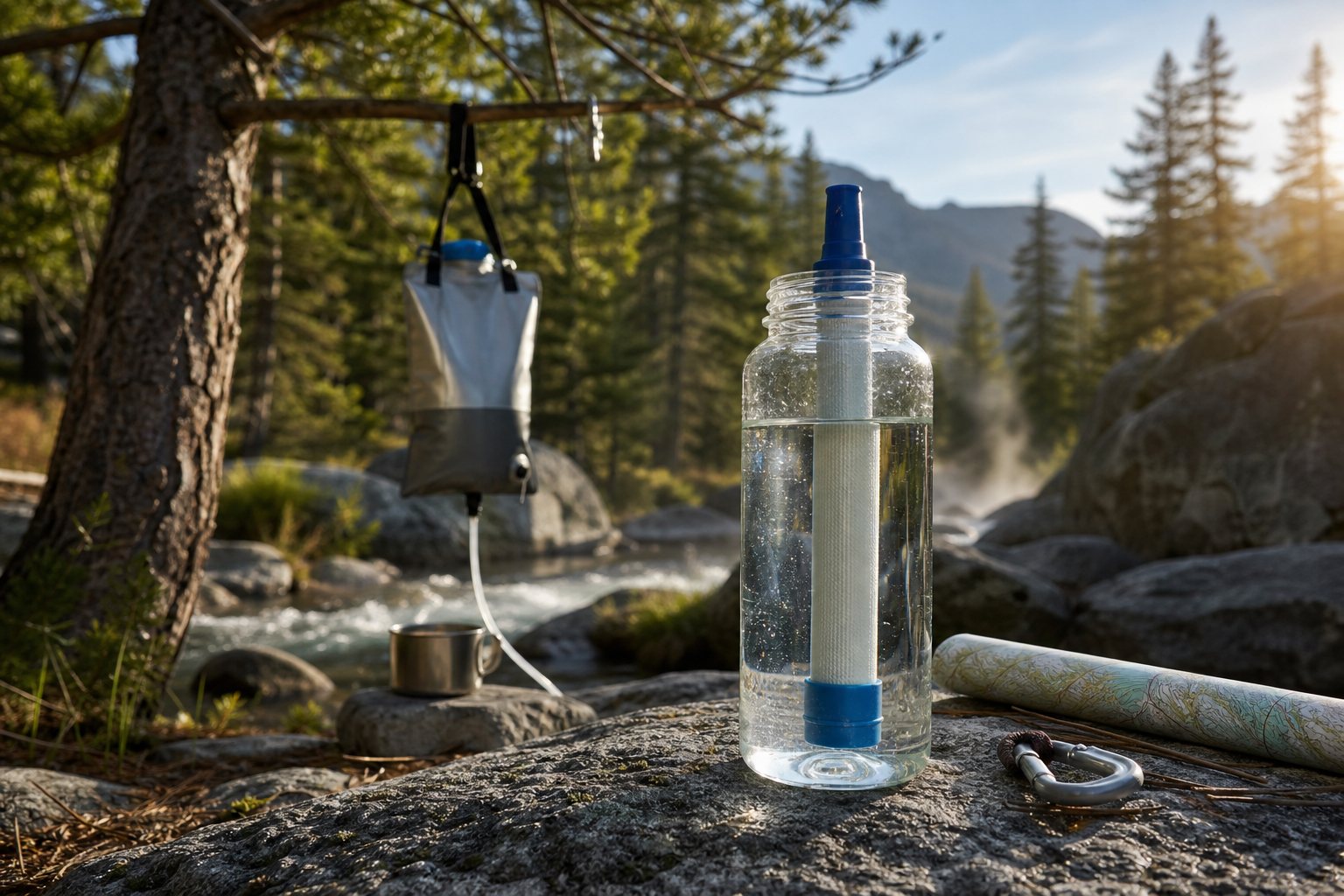
Outdoor & Emergency
For hiking, travel, camps and emergency kits, 0.01 micron hollow-fiber ultrafiltration works with zero infrastructure: drink directly through a filter straw rated to 120 L/h with about 1,500 L (400 gallon) element life, or hang a gravity bag and let water weight alone push through the membrane - no pump, no power, no batteries.
Guide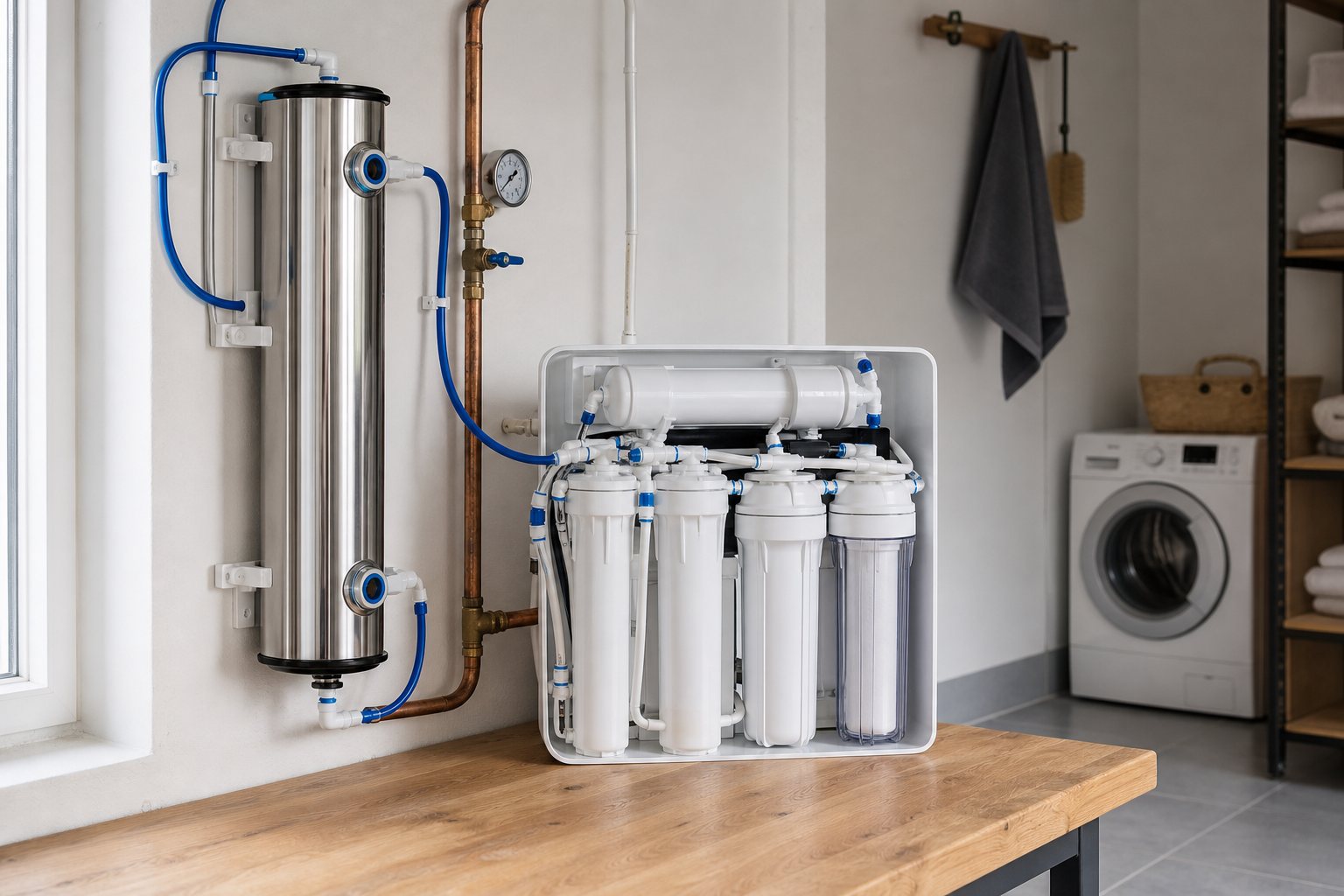
Drinking Water
The proven pattern for homes and hotels is two layers: whole-house 0.01 micron stainless ultrafiltration (3,000-10,000 L/h, driven by mains pressure from 0.1 MPa - no electricity) for every tap, plus point-of-use RO or UF at the sink for drinking water. The membranes are certified to NSF/ANSI 42 and passed NSF/ANSI/CAN 372 lead-content testing.
Guide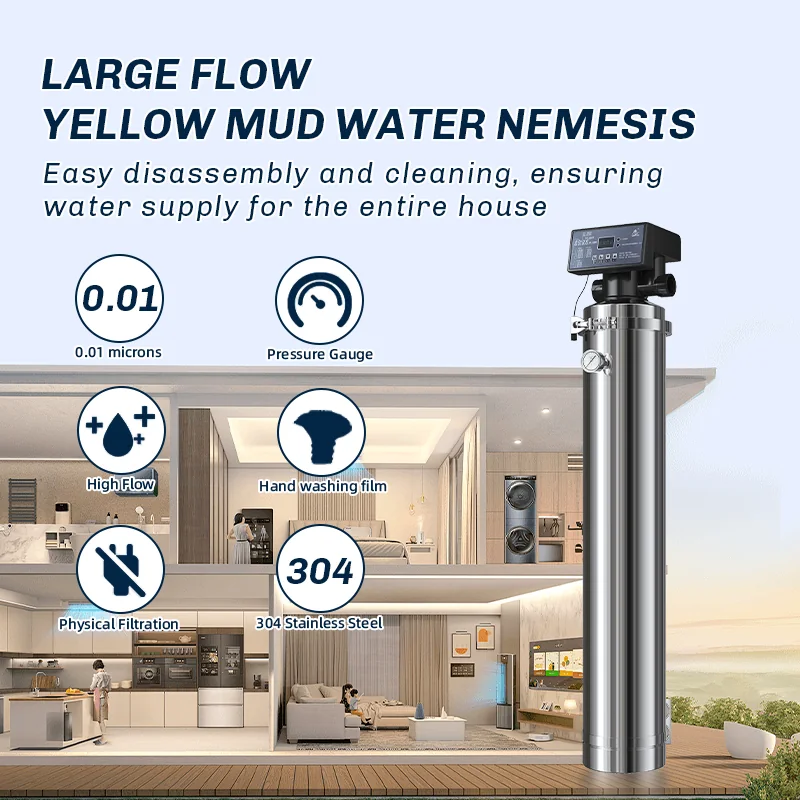
Hotels & Resorts
A single central ultrafiltration unit at the incoming main gives every guest outlet the same water quality: 0.01 micron hollow fibre removes turbidity, suspended solids and bacteria, and the stainless housing is backwashable in place rather than replaced. Hotels size the unit from peak occupancy demand, not average, because the worst hour decides whether the top floor still has pressure.
Guide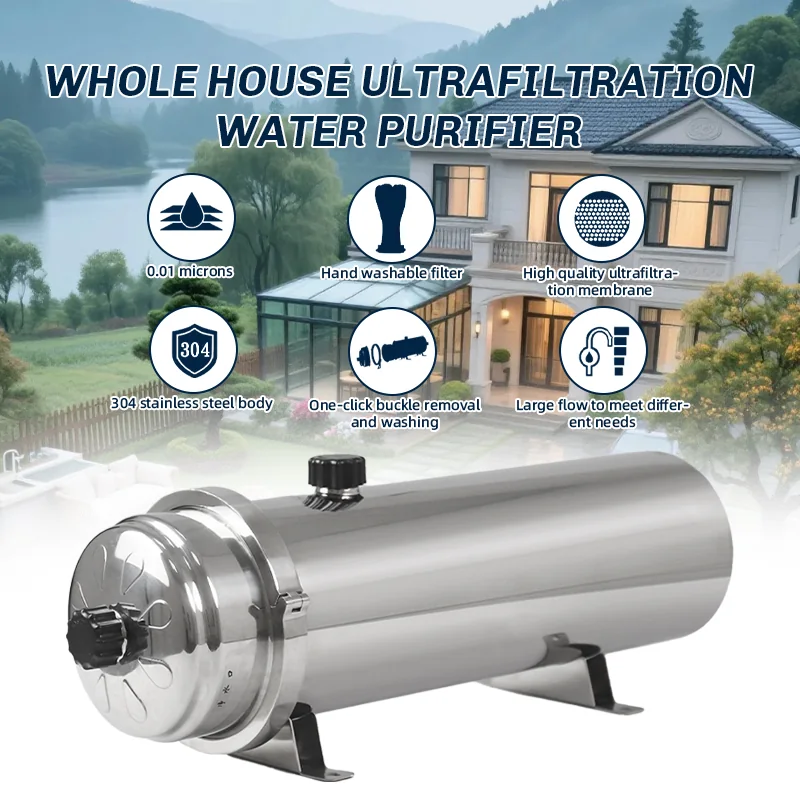
Bottling Plants
In a bottled water line the UF stage sits between pretreatment and disinfection, holding turbidity and particle load steady so the ozonation or UV dose does what it is designed to do. A 0.01 micron hollow fibre barrier also keeps the fill valves and caps free of the fines that cause visible specks in a clear bottle.
Guide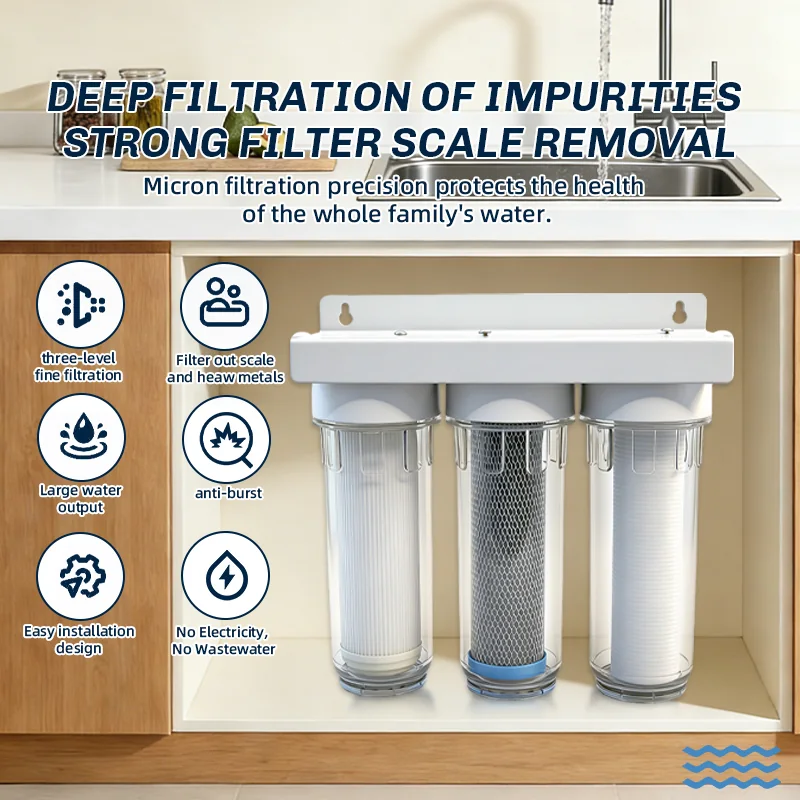
Coffee Shops & Cafés
Espresso needs two different things removed for two different reasons: chlorine and organics for taste, and hardness for the boiler. Ultrafiltration with a carbon block handles the first at 0.01 micron; the second needs ion exchange or reverse osmosis. A café that only filters particles will still scale its boiler, and a café that only softens will still taste the chlorine.
Guide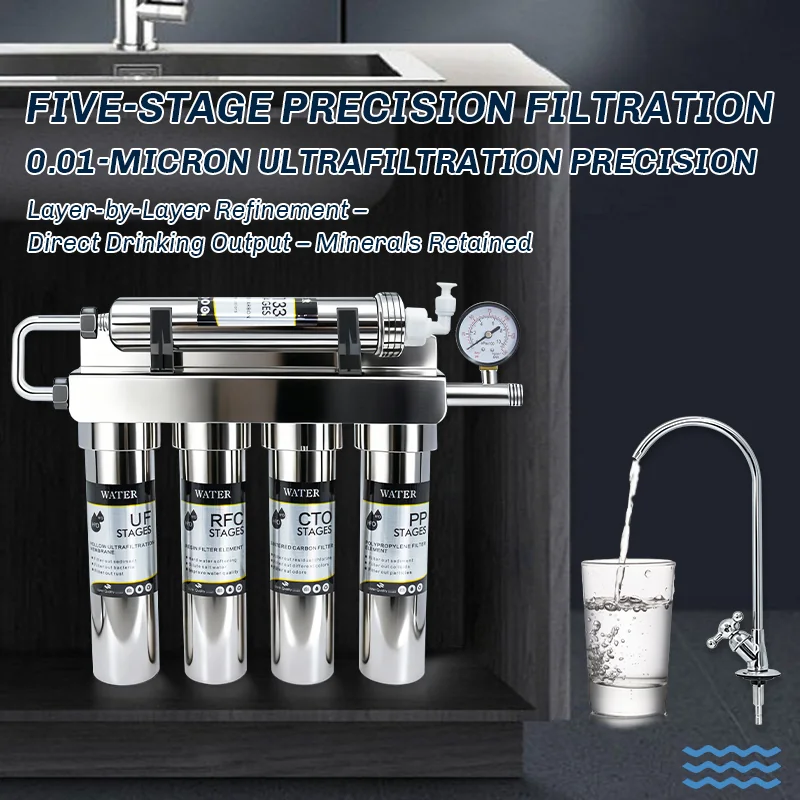
Restaurants & Ice
Ice is the most honest water test in a restaurant: it is looked at, chewed and compared. Chlorine and organics show up as smell and haze, particles as sediment in the bin, and hardness as scale on the evaporator. A five-stage system with carbon block and 0.01 micron UF addresses the first two; hardness still needs softening.
GuideHospitals & Clinics
In a medical building the UF stage is a physical barrier: 0.01 micron hollow fibre holds back particles, turbidity and bacteria, protecting sterilizer feed, dialysis pretreatment trains and the general supply from the sediment that follows mains work. It is a barrier, not a sterilizer - disinfection and validated monitoring remain separate obligations.
GuideSchools & Campuses
Campuses combine high daytime demand with long idle periods, which is exactly the pattern that lets sediment settle and biofilm form in dead legs. A central 0.01 micron barrier plus point-of-use filtration at the drinking fountains keeps both ends of that problem under control without a maintenance visit to every tap.
GuideApartment Buildings
Apartment blocks suffer from the same event repeatedly: a mains repair upstream sends sediment into the building, and every tenant sees discoloured water for a day. A central 0.01 micron barrier at the incoming main turns that from a building-wide complaint into a routine backwash, and protects the pressure set and heat exchangers while it does it.
GuideWell & Bore Water
Bore water usually carries two kinds of problem: particles (sand, clay, rust flakes) and dissolved metals (iron, manganese) that stain and taste. A five-stage system with a 0.01 micron element removes the particles and the taste compounds; dissolved iron needs oxidation and filtration upstream, or the element simply loads faster than it should.
GuideRural Water Points
A community water point has to work with what is available: gravity head, intermittent supply, and no chemist on site. Ultrafiltration fits that constraint because the barrier is physical and the element is washed rather than regenerated - no dosing pump to fail and no salt to restock.
Guide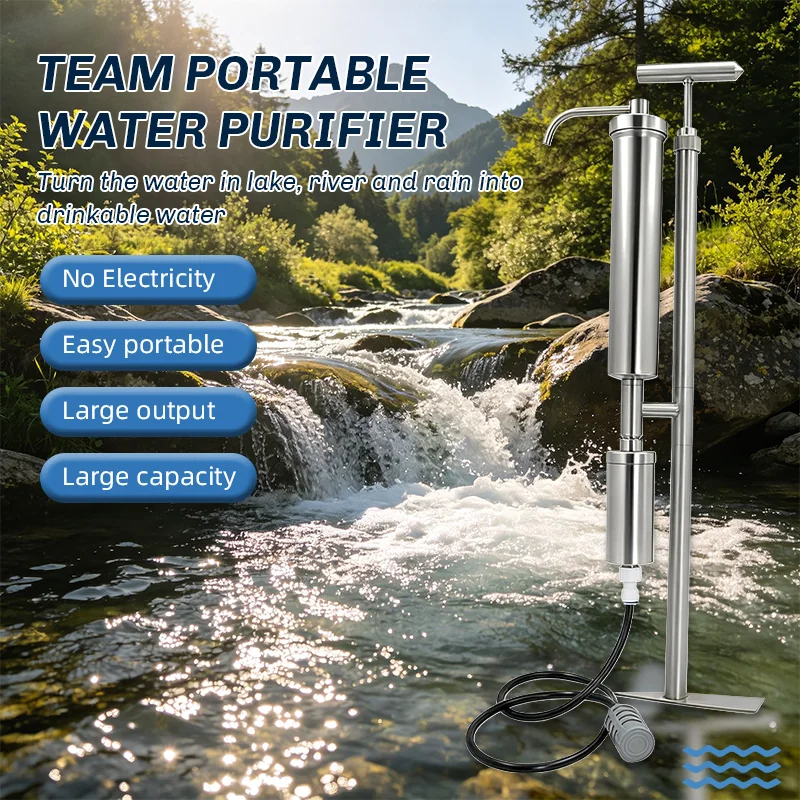
Disaster Relief
Relief water treatment is constrained by logistics before it is constrained by engineering: weight on the pallet, power that may not exist, and operators who have never seen the device. A hollow fibre unit with a stated litre capacity and a washable element answers all three, which is why the format has displaced chemical dosing in first-response kits.
Guide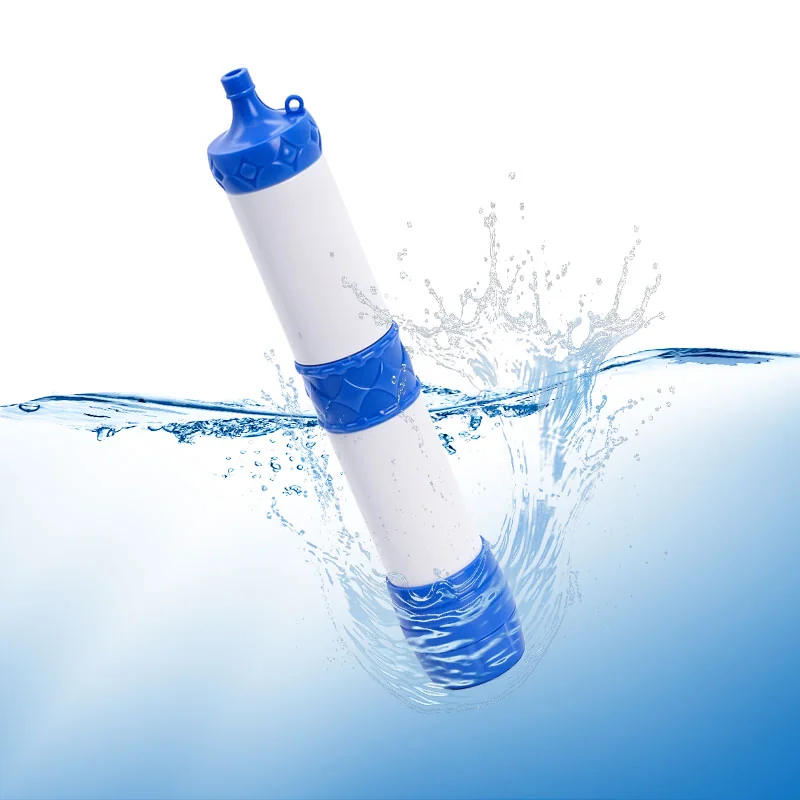
Camping & Hiking
On trail the decision is weight against effort: a straw you drink through directly costs 90 g and no pumping, while a gravity or pump system trades weight for the ability to fill a bottle hands-free. What both need is a stated capacity so you know when the element is spent rather than guessing from taste.
GuideMarine & Offshore
A watermaker fails on particles long before it fails on salt rejection. Harbour water carries the silt, algae and organics that blind a membrane surface, so a washable 0.01 micron stage ahead of the RO element is cheaper than replacing elements in a distant port.
Guide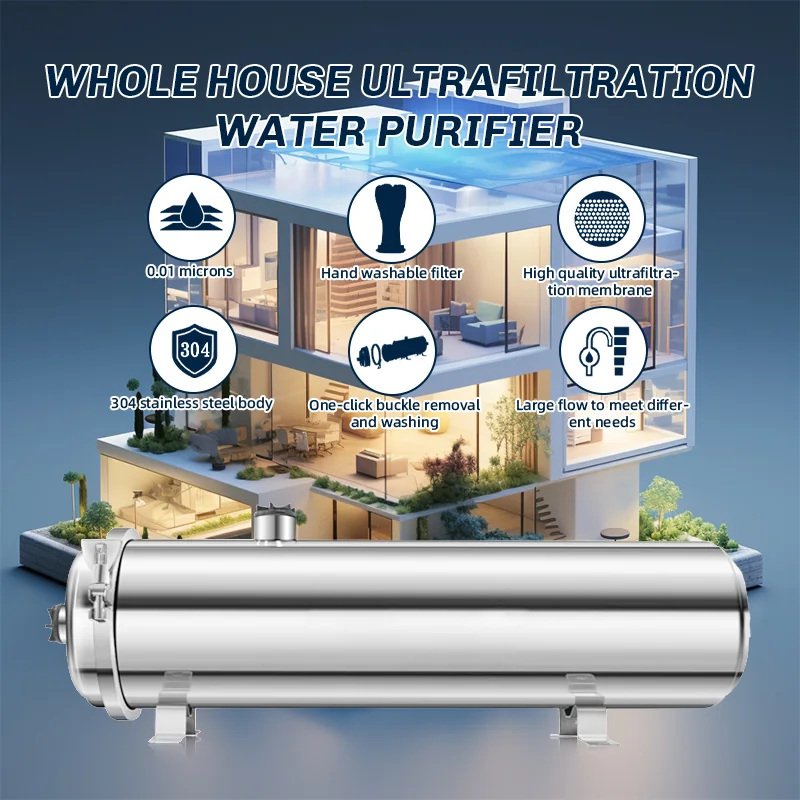
Aquaculture
Hatchery water problems are usually about what arrives with the water: silt after rain, algae and the organisms that graze on them, and the organic load that consumes oxygen as it decays. A 0.01 micron barrier on make-up water removes that load before it enters the system, and does it without adding anything to the water.
GuideGreenhouse & Irrigation
Drip systems clog from the inside: algae, organic slime and fine silt pass a sand filter and then settle in the emitter labyrinth. A 0.01 micron stage downstream of the sand filter removes that fraction, which is the difference between a season of uniform irrigation and a season of hand-cleaning emitters.
GuideFood Processing
In a food plant, water is an ingredient, a cleaning agent and a heat transfer medium, and each role tolerates a different level of particle load. A 0.01 micron stainless barrier gives all three a consistent feed, which is what makes a HACCP plan easier to defend than reacting to each batch result.
GuideTextile & Dyeing
Dye houses chase shade repeatability through dye selection and machine settings, but the water arriving at the vessel changes daily: turbidity after rain, sediment after mains work, organic load that consumes dye. A 0.01 micron barrier removes that variable, which is the one input the dye house can actually control.
GuideManufacturing & Quality Assurance
See how we turn membrane technology into certified products
In-House Membrane Production
Hollow fiber membranes spun, guided and assembled entirely on our own lines — precision control from raw polymer to finished module.
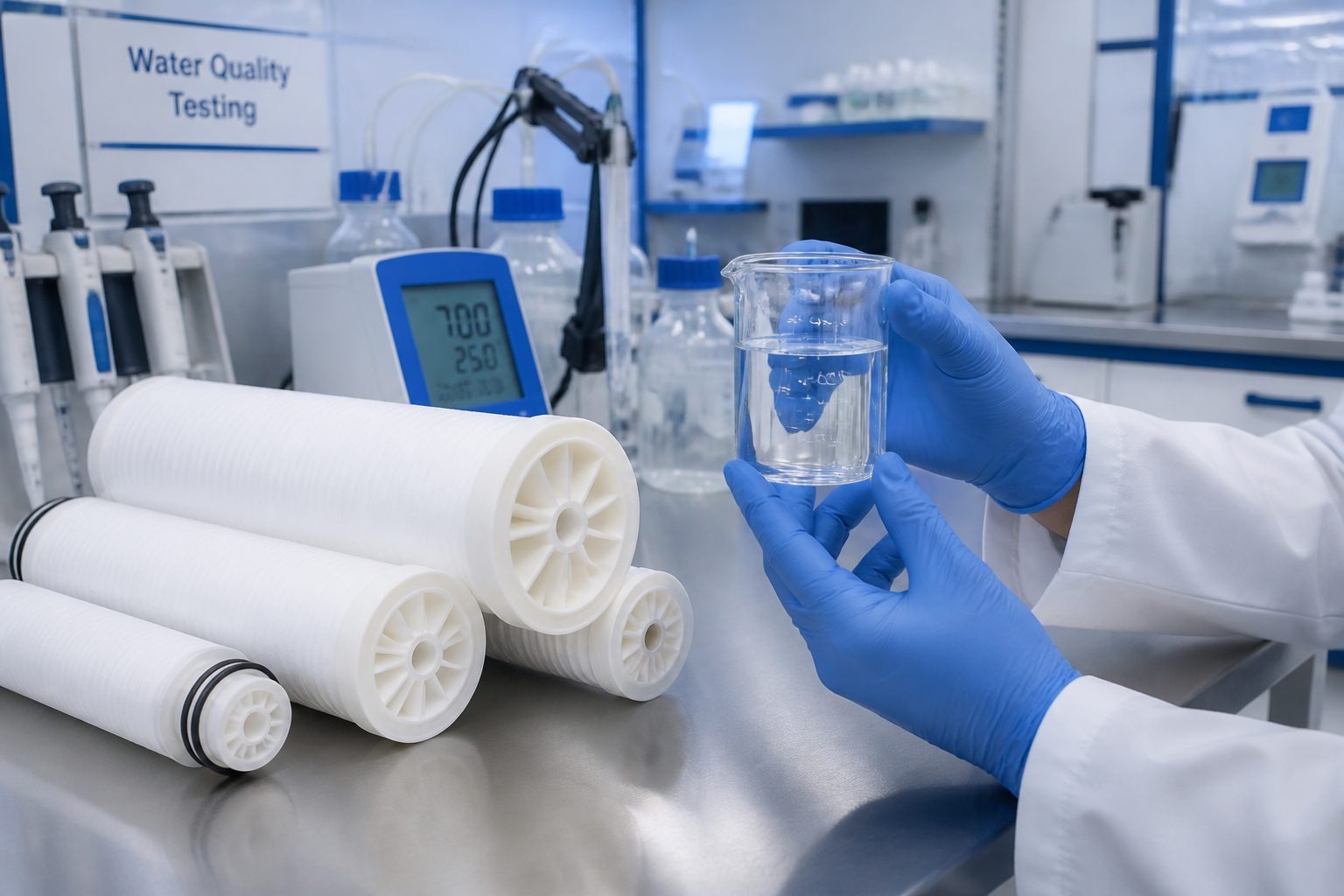
100% Online Integrity Testing
Every module undergoes individual air-pressure inspection and water quality testing against the NSF/ANSI 42 requirements our PES membrane is certified to and the NSF/ANSI/CAN 372 lead-content limits it passed.
Watch the Factory
Three short films from our site - the verified audit walkthrough and two customer visits (visitor faces blurred as a privacy measure).
Also on YouTubeInside the Factory
Production floor, quality-control stations and packaging lines - filmed during our third-party supplier verification in January 2026.
- Hollow-fiber production - spinning, potting and module assembly lines
- 100% integrity testing - every module air-pressure tested before packing
- Verified by Intertek - audit footage, not a marketing shoot
Italian Buyers on the Line
The visit behind a custom UF cartridge order: showroom walkthrough, safety goggles on the module line, and the buyers testing cartridges on the integrity bench themselves (May 2026).
- Showroom first - the full cartridge and shower-filter range, side by side
- Straight to the line - module assembly and quality stations, unedited
- Buyers run the bench - they check the product the way we do
Saudi Partners at the Table
An OEM shower-filter programme negotiated face to face - sample review around the table, ending at the customer highlight wall on our floor (2026). Visitor faces are blurred.
- Spec review in person - every question answered at the sample table
- From visit to order - inspection and negotiation in one trip
- Long-term partners - visiting buyers join the wall of customer milestones
Ready to Start Your OEM Project?
Tell us your requirements. Our engineering team will provide a tailored solution with competitive pricing within 24 hours.
Send Inquiry Now